
Battleships, tin cans, and entirely too much naval history (nerd alert)
Soon, my Clipper race will carry me across the Coral Sea and past Leyte Gulf—names that read like coordinates on a chart but resonate like bells in naval history. For most sailors, they’re just places you pass through. For me, they are chapters.
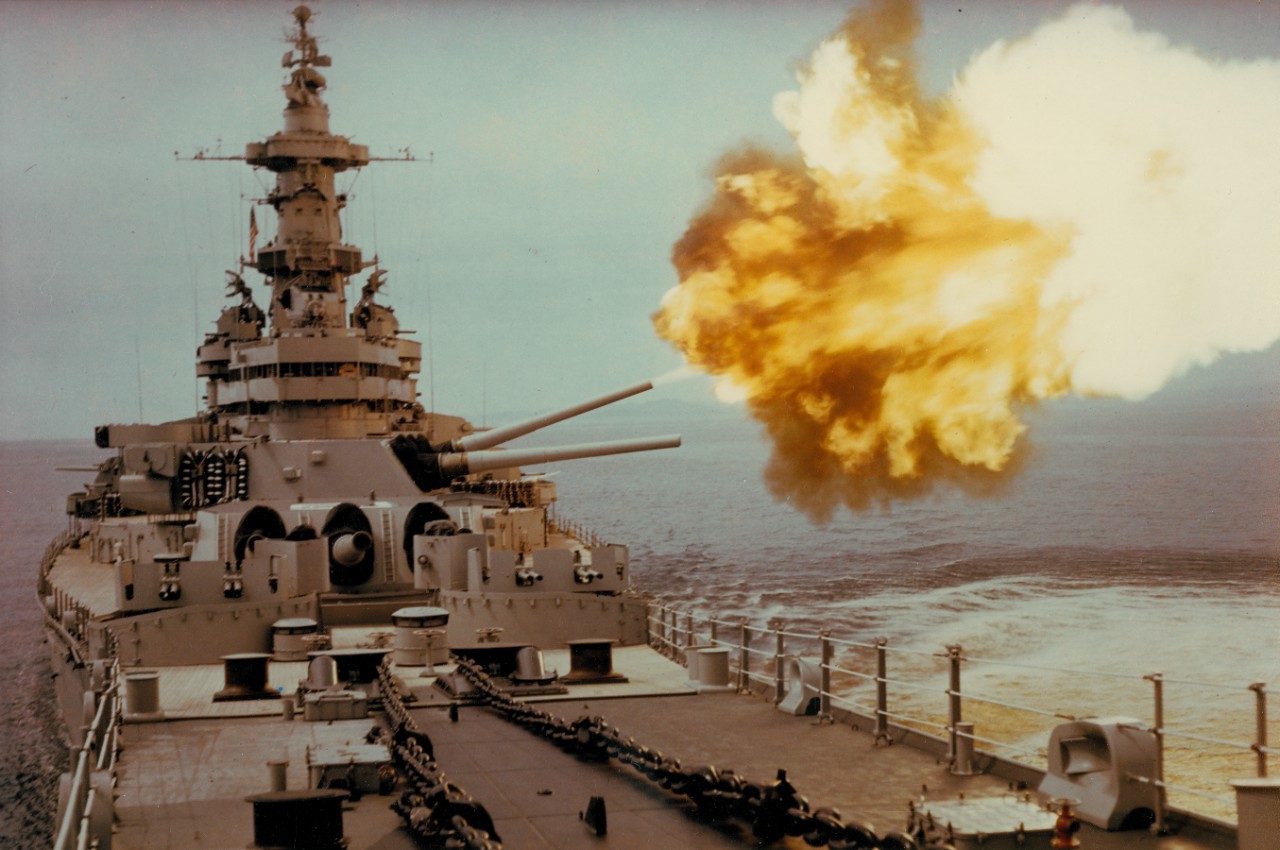
I am proud to say that I am one of the last battleship sailors. I once served in the U.S. Navy aboard one of the last big-gun battleships to roam the world’s oceans, USS Iowa BB-61, a ship built for a kind of war that had already ended. The guns had different purposes by then, but they were never silent. When they fired you could feel them in the structure of the ship, in the way the decks answered the sea, and in the unspoken understanding that these sixteen inch guns had once shaped history.
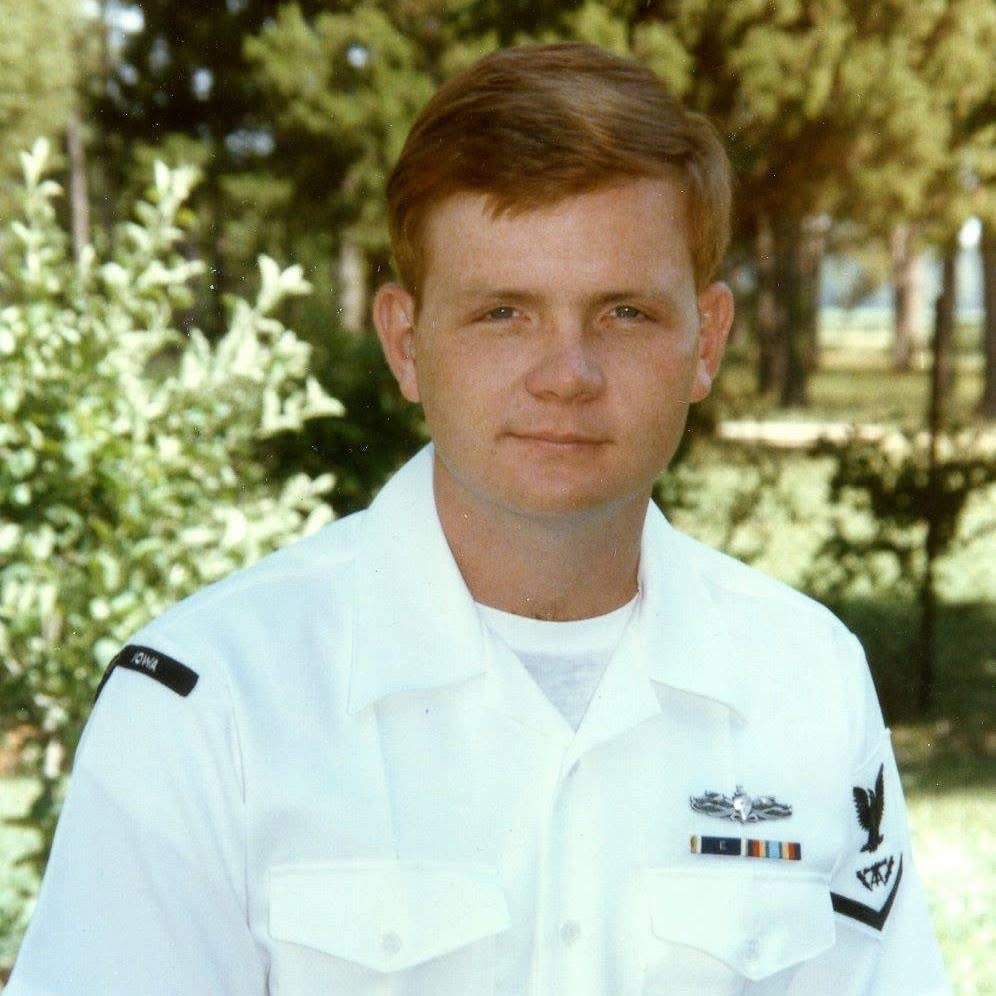
Now I’ll cross these historic waters under sail—no armor, no steel turrets, no guns at all—and the contrast feels profound.
The Coral Sea: The End of One Era
The Coral Sea battle was where naval warfare irrevocably changed. In May 1942, opposing fleets fought without ever seeing each other. Aircraft carriers struck over the horizon; battles were decided by pilots, radios, and timing rather than broadsides. It was the moment the battleship ceased to be the decisive weapon of war.
As someone who served decades later on a battleship, I lived inside that paradox. I stood watch on a ship designed for dominance in a world that had already moved on. Sailing through the Coral Sea now, I’m reminded that the ocean doesn’t care how war is fought—it only demands that sailors adapt. Nuclear power replaced coal, radar replaced optics, missiles replaced guns. The sea stayed the same.
Leyte Gulf: Courage Without Illusions
Leyte Gulf is where everything converged. In October 1944, the largest naval battle in history erupted across these waters, splintered into multiple engagements fought simultaneously.
One of them—the Battle off Samar—is immortalized in the book The Last Stand of the Tin Can Sailors. by James D. Hornfischer. Lightly armed destroyers and destroyer escorts—“tin cans”—charged directly at a vastly superior Japanese force of battleships and heavy cruisers. They had to, they were the only defense for the escort carriers and Marine landing forces behind them. They attaBattleships, tin cans, and entirely too much naval history (nerd alert)cked not because they thought they could win, but because there was no alternative.
It remains one of the most extraordinary displays of courage in naval history: thin-skinned ships, short-range torpedoes, crews who knew exactly what they were facing and went anyway. Reading it long after my own Navy service, I felt the weight of it differently—not as abstraction, but as kinship.
Surigao Strait: The Line Comes Full Circle
Leyte Gulf also contains a quieter, heavier moment—one that matters deeply if you’ve ever served aboard a battleship.
During the Battle of Surigao Strait, U.S. and Japanese battleships met in a classic, old-style engagement: radar-directed fire, a crossed “T,” broadsides flashing in the night. It was the last time in history that battleships fired their big guns at other battleships.
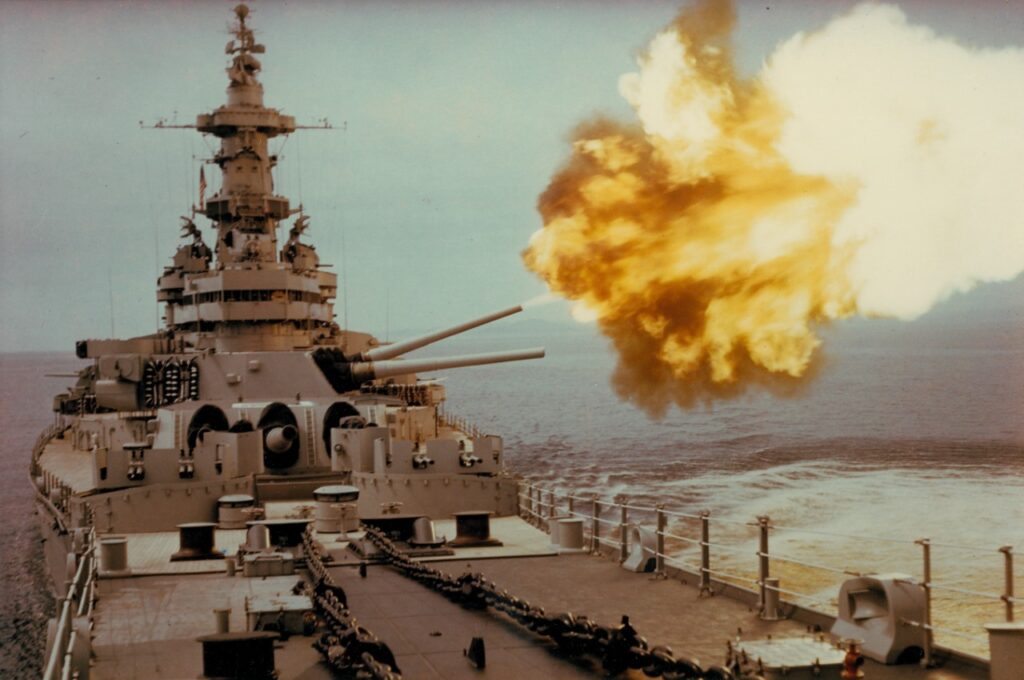
And it was who fired those guns that gives the moment its meaning.
In the American battle line steamed USS West Virginia BB-48 and USS California BB-44—both ships that had been sunk at Pearl Harbor.
Not damaged.
Not crippled.
Sunk.
They had settled into the mud on the Navy’s worst day. Many assumed their stories were over. Instead, they were raised, rebuilt, modernized, and sent back to sea. New radar. New fire control. Old hulls carrying unfinished business.
At Surigao Strait, West Virginia—once burning and flooded at Pearl—fired some of the first accurate radar-directed battleship salvos of the battle. California, also raised from the harbor bottom, followed her into the line. Together, they helped destroy the Japanese Southern Force in the final classic battleship engagement.
And then, at the end, came USS Mississippi BB-41.
She fired a single full salvo—late in the action, almost ceremonially. That salvo became the last battleship-on-battleship gunfire in history. A closing sentence in a battleship story that goes all the way back to HMS Dreadnought and beyon.
Three ships.
Two raised from harbor mud.
Where USS Iowa Was That Night?
While the old battle line was finishing the last chapter at Surigao Strait, the battleship I would one day serve aboard was already living in the future. USS Iowa was not in the narrow waters of Leyte Gulf that night. She was far to the east, steaming with Admiral Halsey’s fast carrier force, guarding the aircraft carriers that had become the true capital ships of the Navy.
Iowa’s role was speed, radar, and protection—throwing up walls of anti-aircraft fire and standing ready to intercept any Japanese surface force that broke through toward the carriers. She did not fire her big guns at enemy battleships at Leyte, not because she lacked the power, but because the war had already changed. While older ships crossed the “T” and fired the final broadsides of an era, Iowa and her sisters were proving that the battleship’s future was no longer about duels, but about keeping the carriers—and the sailors aboard them—alive.
Carrying the Line Forward
Serving on a big-gun battleship a half a century later, I knew I was living in the epilogue of something vast. Those guns were no longer instruments of decision, but they were still inheritance—steel memory, lineage made tangible.
When I sail past Leyte Gulf now, there will be no salutes, no thunder, no battle line—just wind, water, and a wake that fades almost as soon as it forms. But I’ll know what happened here.
I’ll think of tin cans charging battleships.
I’ll think of ships sunk, raised, and sent back to finish the fight.
I’ll think of Mississippi, California, and West Virginia—and of Iowa, already guarding the future over the horizon.
From steel decks to fiberglass hulls, from powder to wind, the ocean connects it all. And as I cross these waters, I carry that history with me—quietly, respectfully—across seas that remember everything.